A water heater in Matthews works hardest when the seasons turn. Incoming water is coldest in winter, which makes the tank work longer to reach temperature and exposes a unit that was barely keeping up in summer. Sediment settles all year, the anode rod is consumed a little every month, and the first cold shower of November is often just the announcement of a problem that built up quietly since spring. Timing heater care to the seasons catches those problems while they are still maintenance.
Use the checklist with the seasons rather than as a single annual event. Fall is the main service window, before peak demand. Spring is the inspection window, after the hardest months. Summer and winter each have a short list of watch items, mostly about drainage, leaks, and settings that drift.
Water heater care by season
- Fall: flush sediment from the tank before winter demand peaks, following the manufacturer's shutoff and refill order; a clear-running drain is the pass sign, grit and rumbling are fail signs.
- Fall: test the temperature and pressure relief valve briefly; it should discharge and reseat cleanly. A valve that sticks or keeps dripping fails and needs replacing.
- Fall: check the setting is near 120 degrees Fahrenheit and inspect the area around the base for rust or moisture before the unit works its hardest.
- Winter: listen for new rumbling or popping, which means sediment is insulating the bottom of the tank, and watch hot-water endurance during back-to-back showers for decline.
- Spring: inspect the anode rod if it has not been checked in a few years, or have it inspected; a rod reduced to a thin, pitted wire has done its job and needs replacing.
- Spring: clear the area around the heater, check the drain pan and any drain line, and confirm nothing combustible is stored against the unit after winter clutter season.
- Summer: after storms or any water-supply work nearby, watch for a pulse of sediment; an early partial drain clears it before it bakes onto the tank bottom in the heat.
- Year-round: note rusty-tinted hot water, a weeping relief valve, or moisture at fittings as they appear, rather than waiting for the next season's pass.
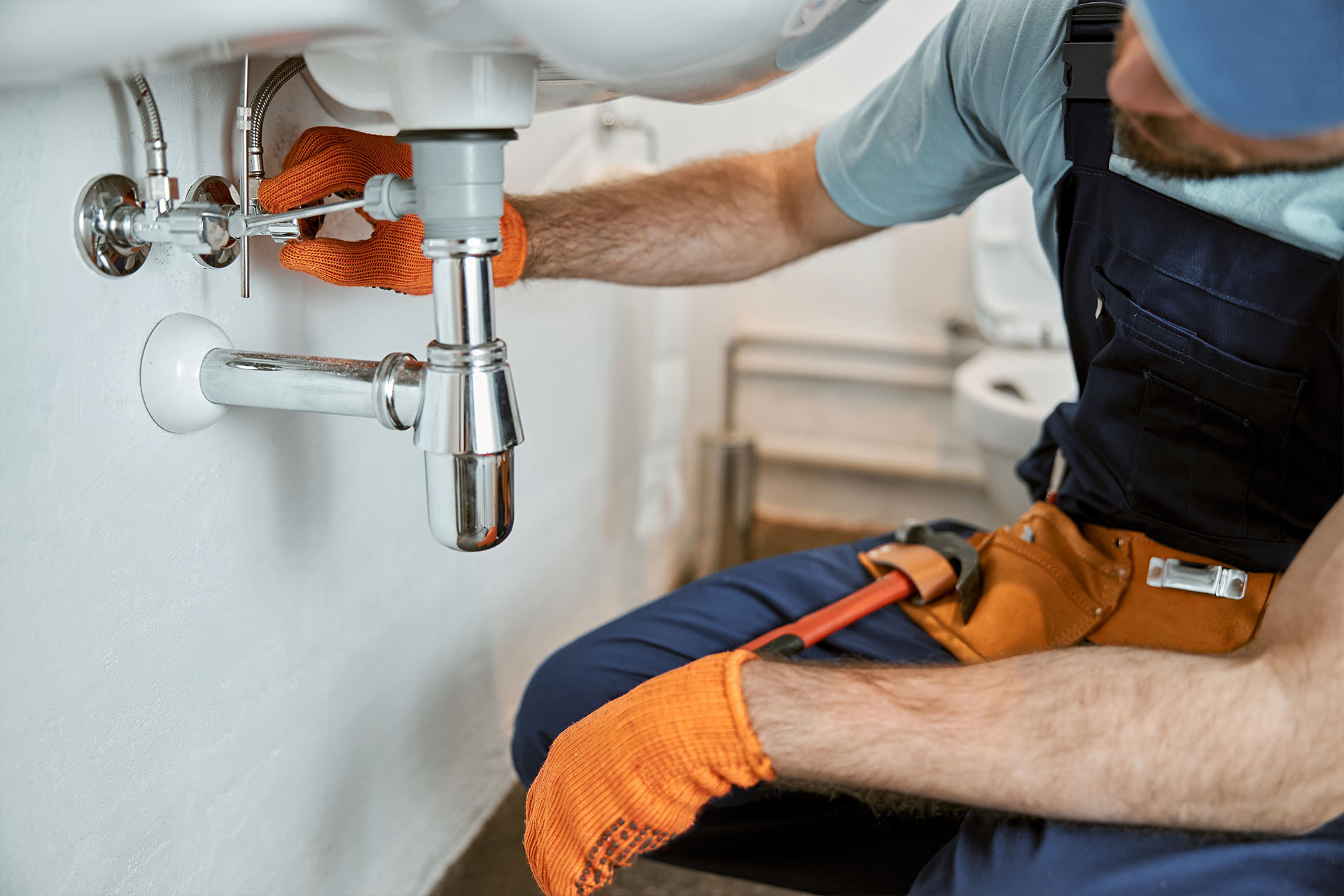
Why fall flushing carries the year
Sediment is the thread through most heater problems in North Carolina homes. It settles from the supply, insulates the burner or elements from the water, forces longer heating cycles, and produces the kettle-like rumbling that homeowners hear in winter. An annual flush while the sediment is still loose removes it in minutes. Leave it for several years and it hardens into a layer that flushing barely touches, at which point the tank is aging at the accelerated rate no matter what the calendar says. TOLINY Plumbing and Electric lists water heater service in Matthews, and a fall service visit typically combines the flush, relief valve test, and anode assessment in one pass.
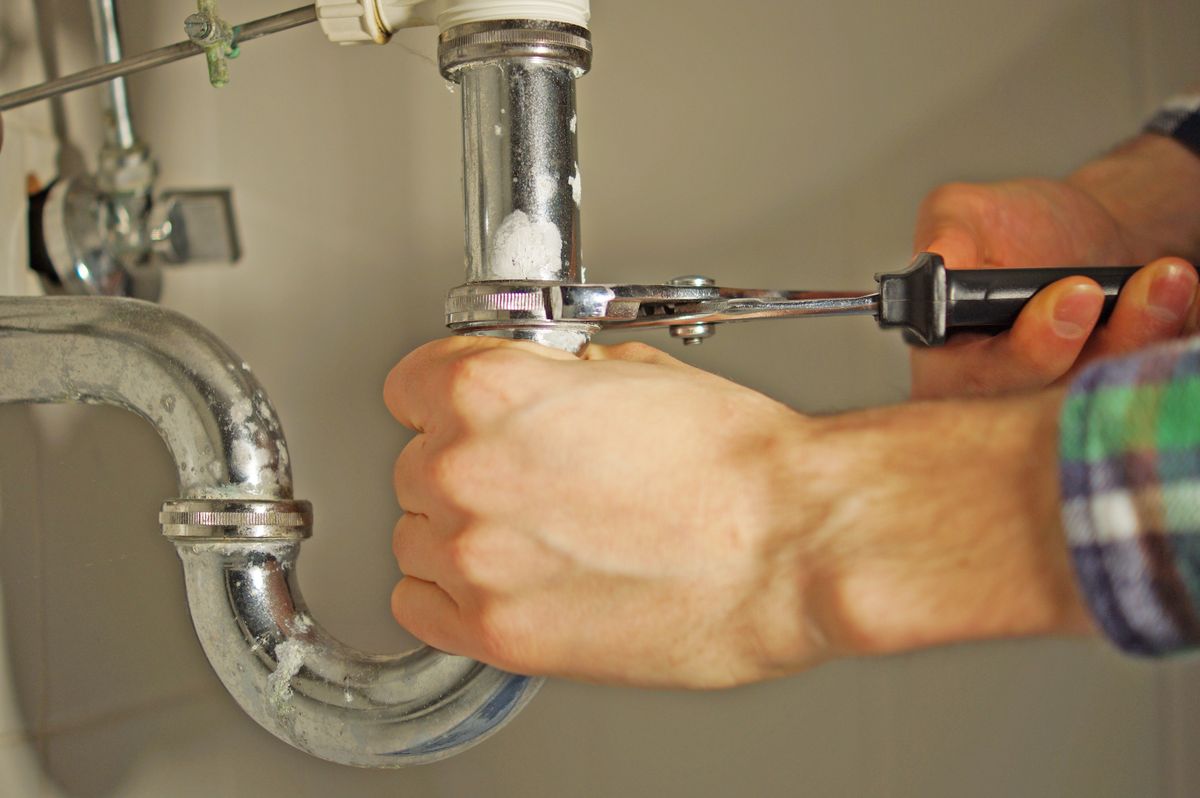
Planning the replacement before the season chooses for you
Storage water heaters commonly last about 6 to 12 years. Age plus the checklist fail signs, rust at the base, declining capacity, a leaking tank body, is the signal to plan a replacement in a mild season rather than meet it during a cold snap or with guests in the house. Planning buys the chance to consider capacity for the household as it is now, the space and venting the new unit needs, and a drain pan and leak alarm if the heater sits in an attic or closet where a leak travels far. A tank that leaks through its body cannot be repaired, so the seasonal checks are really about never being surprised by that day.
Two checks that take five minutes in any season
Between the seasonal passes, two quick checks catch most developing problems early. First, look at the flame or heating area only from outside the unit and note anything unusual: soot, scorch marks, or a strong metallic smell around a gas heater is a reason to call rather than investigate further yourself. Second, run hot water at the nearest tap after the heater has been idle and look at it in a clear glass. Cloudy water that clears from the bottom up is usually air. Rust-coloured water, grit, or flakes are heater information worth writing down with the date. Dated notes turn a vague sense that the heater has been acting up into a pattern a service visit can actually use.
Common questions
Why does my hot water run out faster in winter?
Incoming water is colder, so each shower uses more hot water from the tank, and a sediment-loaded tank recovers more slowly. Both effects stack in the cold months.
What temperature should the heater be set to?
Around 120 degrees Fahrenheit is the common household setting, balancing scald safety with enough heat for cleaning and comfortable showers.
Can I flush the heater myself?
Many homeowners do, following the manufacturer's instructions carefully, especially the order for shutting off power or gas and refilling before reheating. A stuck drain valve or a long-neglected tank is a reason to call instead.
Photos in this guide are representative stock images.
← All guides from TOLINY Plumbing and Electric← Back to TOLINY Plumbing and Electric