When a hard freeze is forecast for Matthews, homeowners face the same short list of choices, usually at about nine in the evening with the temperature already falling. Drip the faucets or not. Open the cabinets or not. Shut the water off entirely because the house will be empty. Each choice is right in some houses and pointless or risky in others, and a decision guide beats a single rule because Piedmont homes vary so much in where their pipes actually run.
The risk map is the starting point. Pipes in exterior walls, unheated crawlspaces, garages, and attics freeze. Pipes in interior walls of a heated house almost never do. Hose bibs and the lines feeding them are the most common failure point, especially with a hose still attached trapping water in the bib. Work through the table by your situation, then run the night routine that matches.
Decide by situation
| Situation | Best approach | Why | Watch out for |
|---|---|---|---|
| Occupied home, pipes mostly interior | Normal heat, no special measures beyond disconnecting hoses | Interior pipes in a heated house are well protected | The one bathroom over a garage or on an exterior wall still counts as exposed |
| Occupied home, kitchen or bath on an exterior wall | Drip those faucets slowly, open cabinet doors, keep heat steady overnight | Moving water and warm room air protect the specific at-risk lines | A drip means a thin continuous stream, not an occasional drop |
| Home with crawlspace plumbing | Insulate exposed lines in advance; close crawlspace vents in winter where designed to close | Crawlspace air temperature decides pipe temperature there | Foam insulation slows freezing; a multi-day deep freeze can still win, so dripping helps too |
| Empty house during the freeze | Shut off the main supply and drain the lines, or keep heat on with checks arranged | An unattended burst causes the worst damage because water runs until discovered | Draining must include opening faucets and flushing toilets to empty tanks and traps protected appropriately |
| Freeze already underway, no water at one faucet | Open the faucet, warm the line gently from the faucet back, no open flame | The line is likely frozen but may not have burst yet | If water appears anywhere unexpected, shut the main off first and treat it as a break |
The evening routine for at-risk homes
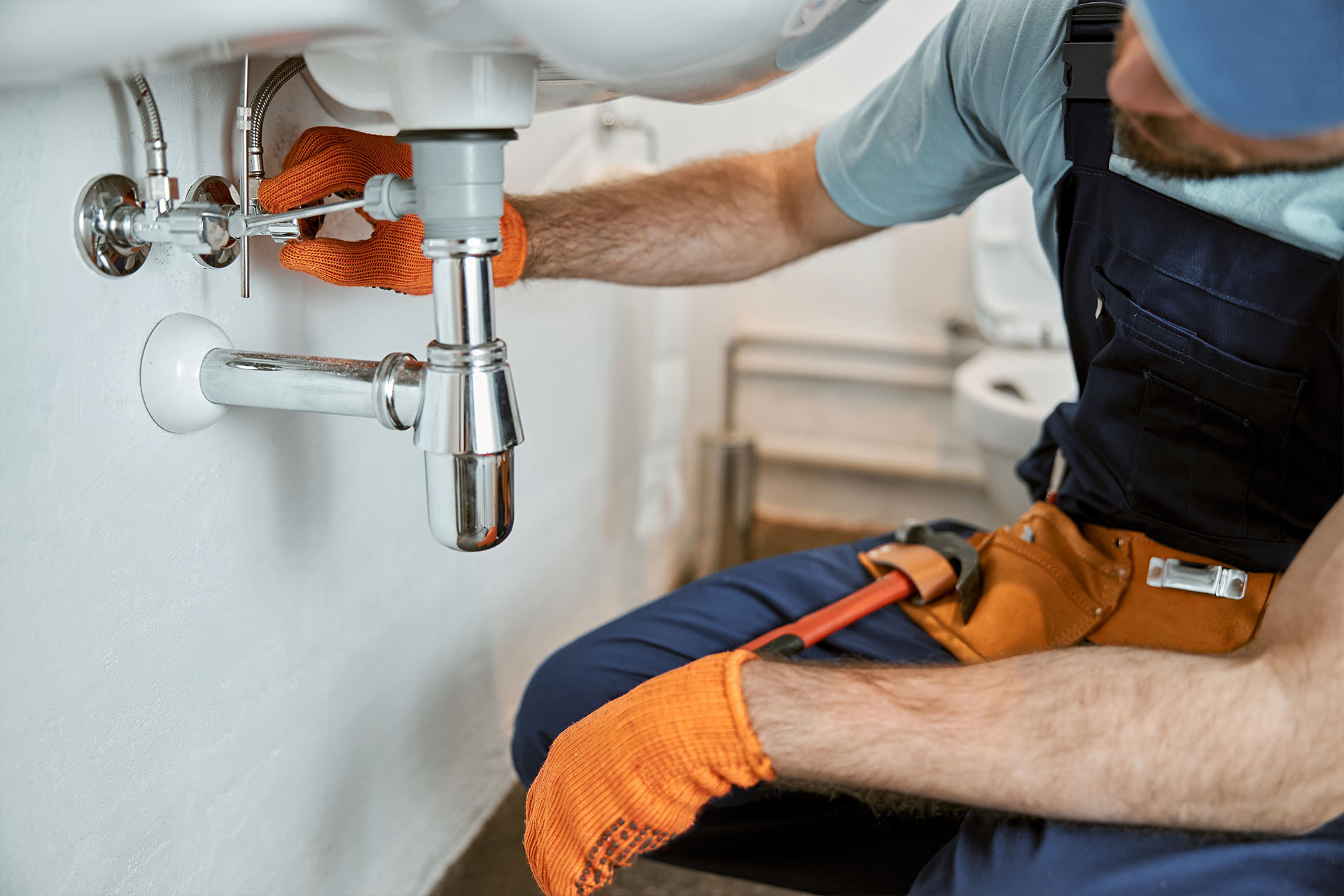
Disconnect hoses if any remain attached. Set the thermostat to hold its daytime temperature through the night rather than a deep setback. Open cabinet doors under sinks on exterior walls. Start a slow drip at the faucets served by exposed lines, favouring the faucet furthest from where water enters the house. If the house has a history of one particular line freezing, that line gets every measure you have. TOLINY Plumbing and Electric provides plumbing repairs in Matthews, and freeze calls follow a pattern: the damage is rarely random, and the line that froze is usually the line someone in the house already suspected.
After the thaw: the second decision
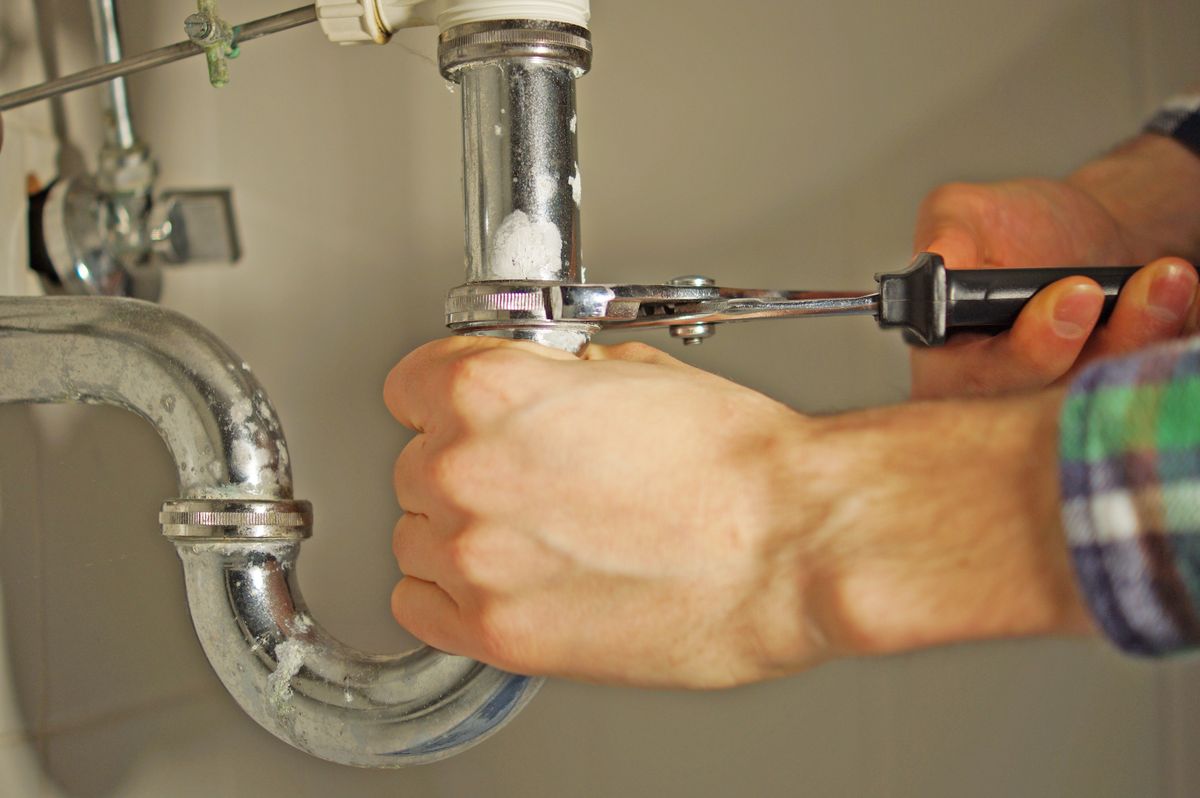
A freeze that ends without a flood still deserves a walk-through. Check crawlspace and attic lines, look under every sink, and run each faucet while watching its supply connections. Freezing can split a pipe in a way that only leaks under pressure once fully thawed, and can loosen fittings that weep slowly for days before the damage shows. If a line froze, insulate it before the next snap rather than relying on dripping as a permanent strategy. Dripping is a tactic for a night. Insulation, air sealing, and rerouting in serious cases are the strategy for the house.
Renters, landlords, and houses in transition
Freeze damage clusters in houses where responsibility for prevention is unclear. In a rental, the tenant controls the thermostat and the cabinet doors, while the landlord controls insulation and the condition of the pipes, and each side often assumes the other has handled it. A short written routine before winter, covering heat minimums, hose disconnection, dripping during hard freezes, and who to call at the first sign of trouble, prevents most of those losses. The same applies to homes listed for sale and left vacant with the water on: either drain the system properly or keep heat and checks in place. The decision table above still governs, but someone has to be named to make the decision before the cold night arrives, not during it.
Common questions
How fast should a faucet drip to protect a pipe?
A slow, steady stream about the thickness of a pencil lead is the common guidance. The goal is moving water and pressure relief, not volume.
Should I shut my water off every cold night?
No. For an occupied, heated home that creates needless wear and inconvenience. Shutting off and draining is the right call for an empty house in a hard freeze.
Where is my main shutoff, and why does it matter?
Usually near where the supply line enters the house or at the meter. In a burst, minutes spent finding it decide how much water escapes, so locate and test it before winter.
Photos in this guide are representative stock images.
← All guides from TOLINY Plumbing and Electric← Back to TOLINY Plumbing and Electric